These pancakes came out of a very practical need: breakfast that hits 25 to 35 grams of protein without using flour, tastes like pancakes rather than a compromise, and cooks fast enough for a weekday. If you lift before work, manage blood sugar, or you just like the feeling of staying full until lunch, you’ve probably tried a dozen “high-protein” pancake recipes that promised everything and delivered rubbery circles. The fix isn’t complicated, but it’s specific. Cottage cheese and protein powder work together if you treat them like ingredients, not magic dust.
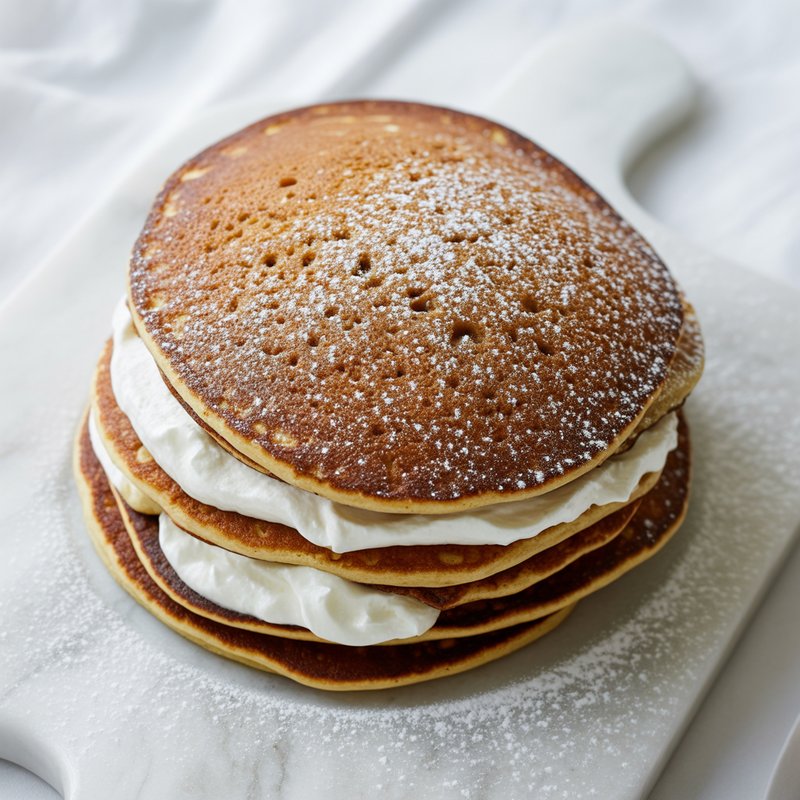
I’ll give you a recipe that works, then the mechanics behind it so you can adapt for the protein powder you own, the cottage cheese your store actually carries, and the pan on your stove. If you’ve had pancakes fall apart, scorch, or taste like sweetened omelets, you’ll see where things go wrong and how to solve it.
The short version that actually works
Blend cottage cheese, eggs, and a scoop of protein powder with a little baking powder and salt. Rest the batter 5 to 10 minutes so it thickens. Cook on a lightly greased, medium-low griddle until the edges set and bubbles hold, then flip once. Eat as-is or dress like you would normal pancakes. That’s the promise. Now the exacts.
The base recipe, with the numbers that matter
This yields 6 to 8 small pancakes, enough for 2 modest servings or 1 large serving if you’re hungry and active. Total time: about 20 minutes, including resting the batter.
Ingredients
- 1 cup (240 g) cottage cheese, 2 percent or 4 percent 2 large eggs (100 g out of shell) 1 scoop whey or whey-casein blend protein powder, 28 to 34 g measured by weight 1 teaspoon baking powder 1 teaspoon vanilla extract 1 to 2 teaspoons sweetener of choice, optional Pinch of fine salt 1 to 2 tablespoons milk or water only if your batter is overly thick after resting Neutral oil or butter for the pan
Method
- Add cottage cheese, eggs, protein powder, baking powder, vanilla, sweetener, and salt to a blender. Blend 20 to 30 seconds until smooth with no curds visible. Scrape down if needed and pulse again. You want a pourable batter, about like drinkable yogurt. Rest the batter in the blender or a bowl for 5 to 10 minutes. Protein powders hydrate and thicken as they sit. If it becomes too thick to pour, add a teaspoon or two of milk or water and stir briefly. Heat a nonstick skillet or griddle over medium-low. Lightly grease. When a drop of water skitters but doesn’t evaporate instantly, it’s ready. Pour 2 to 3 tablespoons per pancake. Keep them small. That gives you easier flips and cleaner edges. Cook until the edges look set and a few bubbles form and hold on top, 2 to 3 minutes. Flip carefully and cook another 1 to 2 minutes. The center should feel springy, not squishy. Serve immediately. These stay tender, but like most pancakes, they taste best hot.
Macros per full batch vary with protein powder and dairy fat. A typical batch using 1 cup 2 percent cottage cheese and 30 g whey ends up around 45 to 55 g protein, 14 to 18 g carbs, and 12 to 16 g fat before toppings. If you split it, you’re in the 22 to 28 g protein range per serving.
Why cottage cheese and protein powder play nicely together
This combination works because each ingredient covers the other’s weak spots.
Cottage cheese brings casein-rich dairy protein, moisture, and acidity. It also carries a mild tang similar to buttermilk, which helps with tenderness and browning. The salt in cottage cheese isn’t just flavor, it also enhances structure by tightening proteins slightly. Fat percentage matters, too. Four percent gives you a richer crumb and better heat tolerance. Two percent is absolutely fine, you just have to watch the pan more closely.
Protein powder is the structural backbone. Whey gels when heated, but it can go rubbery if overconcentrated or overcooked. The trick is using just enough to raise protein content without turning your batter into a dense patty. A scoop by weight, not volume, keeps it predictable.
Baking powder provides lift, but it needs a batter that traps gas. Traditional flour pancakes rely on gluten for that net. In our flourless world, we rely on hydrated proteins and finely blended curds to form a delicate network. That is why blending matters. Stirring cottage cheese with a spoon leaves curds that create weak spots and leaking bubbles.
Finally, rest time lets particles hydrate. Most protein powders are processed into small particles that soak up moisture in a few minutes and thicken the batter. This is your hedge against spread and the route to clean, round edges.
What goes wrong and how to fix it
If you’ve made a batch that tasted eggy or fell apart, it’s not you. It’s one of a few common failure modes.
Too eggy or omelet-like: That’s usually two issues stacked, under-flavored batter and too little sweetness. Vanilla and a small amount of sweetener move the flavor from omelet territory toward pancake. Not a sugar bomb, just a nudge. Also, if you used isolate-only whey, the texture can tighten quickly and read as “eggy” even if the egg count is normal. A whey-casein blend or a small splash of milk can soften the crumb.
Rubbery or dry: Too much protein powder or too high heat. Back off the scoop by 5 g and lower the pan heat. Let the surface preheat evenly and don’t rush the flip. Perfectly https://cottagecheeserecipes.co/pack-starter cooked protein pancakes feel springy, not squeaky.
Flat and fragile: Batter too thin or not rested. Hydration is doing a lot of work for you here. Resting 5 to 10 minutes thickens the batter so bubbles stay put. If that’s still not enough, add a tablespoon of Greek yogurt, or swap to a blend powder that includes casein.
Burned outside, raw inside: Pan too hot, not enough fat. Cottage cheese has lactose that browns easily. Medium-low is the sweet spot on most stoves, and a thin film of fat helps even out hot spots.
Sticking despite nonstick: Two culprits. Either your pan is tired, or you flipped too early. Protein-heavy batters need to set their edges before you get under them. Give them an extra 20 to 30 seconds past when you think they’re ready. If the pan is genuinely past its prime, a silicone spatula and a touch more butter will still get you there.
Choosing your protein powder: what actually changes
Whey concentrate or isolate: Both work, but isolate tends to make a slightly drier, tighter crumb. If isolate is what you have, use the lower end of the scoop range and watch the heat. Add a teaspoon of oil to the batter if you consistently get dry cakes.
Whey-casein blends: My go-to. The casein slows down the gel and gives you a tender, cake-like texture. It also holds moisture better as the pancakes cool.
Collagen: Not ideal on its own. It doesn’t gel the way whey does, so pancakes slump and brown poorly. If collagen is a must for you, cut it with half whey by weight.
Plant-based powders: Pea or a pea-rice blend can work, but you’ll need to adjust for grittiness and flavor. Blend longer, rest longer, and add 1 to 2 teaspoons neutral oil to the batter. Expect slightly earthier tones, which maple syrup covers nicely.
Flavored vs unflavored: Vanilla-flavored whey usually tastes better, but watch the sweetness and salt. Many flavored powders already include both. If your pancakes taste oddly salty or too sweet, that’s why. Dial back any added sweetener and skip the pinch of salt.
Cottage cheese specifics that affect your plate
Fat percentage: Four percent makes cooking more forgiving and gives a smoother mouthfeel. Two percent is a clean, high-protein choice that still works. Zero percent will get you across the line but tends to taste chalky with whey isolate. If zero percent is your only option, go with a whey-casein blend and add a teaspoon of oil or a tablespoon of Greek yogurt.
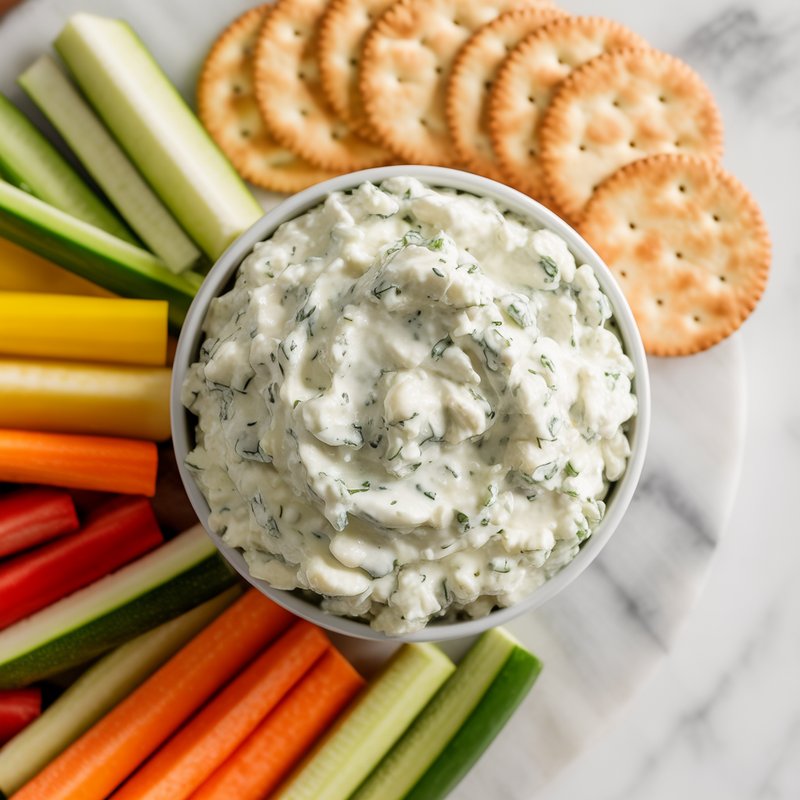
Curd size matters if you don’t blend. Large curd leaves pockets that steam and burst. Blend until smooth and you remove this variable. If you prefer a rustic, slightly textured pancake, pulse just enough to break down the largest curds.
Salt level: Cottage cheese is often saltier than people expect. Taste your batter before adding any extra salt, especially if your protein powder is flavored. Under-salted batter tastes flat, over-salted makes the sweet-savory balance wobble.
The heat management most recipes skip
This is where people get burned. Protein-heavy batters brown fast. On gas, use a flame that barely kisses the pan bottom. On electric coils, preheat 2 to 3 minutes, then step down the heat just before cooking, because coils lag. On an induction top, medium to just under medium is usually right, and you’ll want to adjust between batches since induction holds heat aggressively.
You’ll also get better results with small pancakes. Two to three tablespoons per circle are easier to flip and cook through without scorching. If you want diner-sized pancakes, switch to a griddle and keep the heat conservative. Flip when the edge looks matte rather than shiny and bubbles hold their shape. That visual is more reliable than a timer, because powders and pans vary.
Flavor paths that make these craveable
Plain with maple is never wrong, but if you cook these often, it pays to vary the profile. Think in terms of dry mix-ins that won’t waterlog the batter.
- Lemon blueberry: Add 1 teaspoon lemon zest to the batter, fold in 60 g fresh blueberries after blending, right before cooking. The zest sharpens the dairy tang. Cinnamon banana: Add 1 teaspoon cinnamon to the blend and top cooked pancakes with sliced banana and a spoon of Greek yogurt. Works especially well with vanilla whey. Chocolate chip, grown-up edition: Use a chocolate whey, then sprinkle a few mini dark chocolate chips onto each pancake as it sets in the pan. They melt in place, so you don’t scorch them. Savory brunch: Skip vanilla and sweetener, add a tablespoon of grated Parmesan and a grind of black pepper. Serve with smoked salmon and chives. Surprising, and it works.
If you’re adding wet mix-ins like mashed banana or pumpkin, keep it modest, about 50 g for the full batch, and expect to extend cook times. Those fruits add sugars that brown quickly.
A real-world scenario: the pre-lift breakfast window
You wake at 6, coffee on at 6:05, workout at 6:45. You need 30 g of protein, carbs that don’t spike then crash, and something you can eat quickly without feeling heavy. These pancakes slot in well. Blend the batter, rest while you change, cook at 6:30, eat three small pancakes with a drizzle of maple and a handful of berries. You’re at roughly 30 g protein and 25 to 35 g carbs depending on syrup. No mid-squat sugar fog, no blender bottle guilt. If you need extra carbs for volume days, add a sliced banana or a thin smear of jam. If you need less, skip syrup and add a pat of salted butter plus a dusting of cinnamon.
Make-ahead and storage, with texture in mind
Fresh is best, but you can batch cook. Two smart options:
- Cook and refrigerate: Once cooled, stack with parchment between layers and store in a sealed container up to 3 days. Reheat in a toaster or a dry skillet over low heat. Microwaving works, but go gentle in 10 to 15 second bursts to avoid toughening. Freeze: Layer with parchment, seal well, and freeze up to a month. Reheat straight from frozen in a toaster on a low setting, then finish in a warm skillet if needed. The skillet finish brings back a little exterior crisp.
Batter storage is trickier. Baking powder loses some punch as it sits, and the protein continues to hydrate. If you must hold batter, keep it in the fridge up to 24 hours, then stir in a splash of milk and a pinch of baking powder before cooking. Expect slightly squat pancakes, but still tasty.
If you have blood sugar goals
Carb count is already low compared to regular pancakes, but toppings change the picture more than the base. Maple syrup is delicious, yet it’s basically pure sugar. If you’re careful with post-breakfast numbers, try a thin spread of almond butter, a few raspberries, and a dusting of cinnamon. Or make a quick warm berry compote by simmering frozen mixed berries with a squeeze of lemon until thickened. You keep the fruit flavor with fewer total sugars than a free pour of syrup.
Glycemic response varies person to person, but this batter’s protein and fat tend to buffer spikes. I’ve used these with athletes who wear CGMs during pre-season, and their curves are calmer than with toast and eggs or traditional pancakes, especially when they pair with a small serving of fruit rather than syrup.
Troubleshooting by texture
When you press the center of a cooked pancake, what your finger tells you is a quick diagnostic.
Feels wet and sinks: Undercooked, or batter was too loose. Lower heat slightly and extend the first side by 20 to 30 seconds. If it keeps happening, rest the batter longer or add 5 g more protein powder next time.
Feels bouncy and springs back quickly: Right on target. You’ll get a tender bite with a little chew.
Feels squeaky or rubbery: Overcooked, usually from high heat or too long on the second side. Flip earlier and trust carryover heat. Consider switching from isolate to a blend, or add a teaspoon of oil to the batter.
Crumbles when flipped: Pan is too dry or edges weren’t set. Grease lightly, wait for edges to dull and bubble tops to hold, then work a thin spatula slowly under the pancake before committing to the flip.
Scaling for a crowd without losing the plot
If you need to feed four people, don’t quadruple in one blender load. The batter thickens unevenly. Blend two batches back to back and combine them in a mixing bowl, then rest. Keep a warm oven at 200 degrees Fahrenheit with a sheet pan inside and park finished pancakes on a wire rack set in the pan. The rack preserves the edges so you don’t steam them soggy.
For a brunch spread, run a savory and a sweet version. Use the same base but leave vanilla and sweetener out of half the batter. Label the plates. People will mix them up otherwise and you’ll get baffled faces when maple hits Parmesan.
Variations without flour that still hold structure
Pumpkin cottage cheese: Blend in 60 g pumpkin puree plus 0.5 teaspoon pumpkin pie spice. Expect longer cook time and a darker surface. Flavor is excellent with a dollop of Greek yogurt.
Espresso cocoa: Add 1 tablespoon unsweetened cocoa and 1 teaspoon instant espresso powder. Cocoa dries batter slightly, so add 1 to 2 teaspoons milk after resting to return to pourable.
Coconut: Add 1 to 2 tablespoons finely shredded unsweetened coconut. It introduces texture and a subtle sweetness without sugar. Watch the pan, coconut browns fast.
Peanut butter swirl: After blending the base, stir in 1 tablespoon smooth peanut butter just enough to streak, not fully mix. Cook as usual. A touch more stickiness in the flip, but the flavor payoff is big.
Equipment choices and small efficiency moves
Blender vs stick blender: A countertop blender gives the smoothest batter, but a stick blender in a tall cup is faster to clean and perfectly adequate. If you have only a whisk, you can still make this work, but press the cottage cheese through a fine-mesh strainer first to break curds. It’s an extra five minutes that pays off in texture.
Pan: A good nonstick skillet with a flat base will make your life easier. Cast iron works if it’s well seasoned and you use a touch more fat. Stainless is a hard mode, not recommended unless you enjoy fighting for release and know your heat.
Spatula: Thin, flexible silicone or nylon. Metal is fine on cast iron or steel, but avoid it on nonstick unless you’re ready to replace the pan soon.
Batching: Double your dry ingredients and portion into small jars or bags. In the morning, dump one packet into the blender with cottage cheese, eggs, and vanilla. This saves exactly the minutes that make the difference between weekday and “not today.”
When this recipe isn’t the right tool
If you’re cooking for someone with a dairy allergy, this isn’t the place to force a substitution. Plant-based protein powders and dairy-free yogurts can produce acceptable pancakes, but the specific cottage cheese plus whey chemistry is doing a lot here. In that scenario, start with a plant-based pancake designed for those proteins rather than swapping one-for-one.
If you want a fluffy stack with dramatic height, you’ll be happier with a gluten-free flour like oat flour or a blend. These flourless cakes are tender and satisfying, but they won’t puff like diner pancakes. They’re closer to Swedish pancakes in thickness with more structure than crepes, not thick but not fragile either.
If you find the tang of cottage cheese off-putting, use a flavored protein powder and vanilla, or blend in a teaspoon of citrus zest. That usually nudges it into pancake territory for even cottage cheese skeptics. If it still doesn’t click, this might not be your breakfast.
A quick nutrition snapshot without the marketing gloss
Protein: A full batch usually delivers 45 to 55 g. That’s a meaningful chunk of daily intake in a form most people actually enjoy.
Carbs: Without flour, you’re mainly looking at lactose from dairy and any sweetener you add. Typical base batter sits around 14 to 18 g carbs for the batch. Toppings swing this number dramatically.
Fat: The dial you control. Two percent cottage cheese keeps total fat moderate. Four percent plus butter in the pan moves you toward satiety, which might be helpful if you train fasted or have a long morning.
Sodium: Cottage cheese contains salt. If you track sodium, choose a lower-sodium brand and skip the pinch of extra salt in the batter.
Fiber: These pancakes have very little. Add berries or a small side of greens if you’re aiming for fiber at breakfast.
Final practical notes from making hundreds of batches
Blend longer than you think you need, but not so long you warm the batter. Thirty seconds is the sweet spot in most blenders.
Rest the batter. Those five minutes pay you back with clean edges and easier flips.
Keep pancakes small and the heat modest. This is a control recipe, not a “blast it on high” situation.
Taste the batter. You can adjust vanilla and sweetness before cooking. After cooking, you’re limited to toppings.
Have a fallback topping that you like even when the pancakes are slightly over or under. Mine is Greek yogurt with a drizzle of honey and a pinch of flaky salt. It covers small sins and keeps the protein theme going.
When you get a batch right, write down exactly which powder, which cottage cheese, and the pan setting. This recipe is simple, but your equipment and ingredients nudge it. The notes spare you the small frustrations on a rushed morning.
If you’ve been missing pancakes because the flour didn’t fit your goals, this version earns its place in a regular rotation. It’s not a compromise plate. It’s breakfast that behaves during cooking, gives you the numbers you want, and still tastes like something you’d make on a Saturday even when it’s Tuesday.